News CENTER
新闻中心

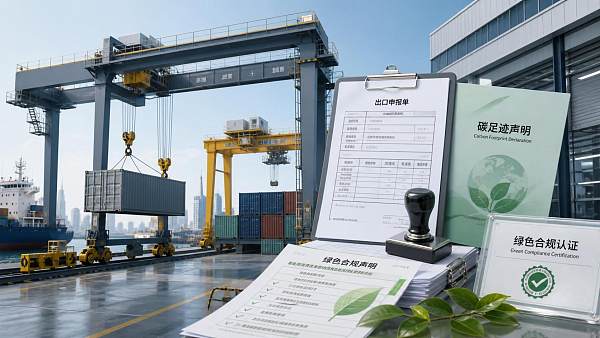
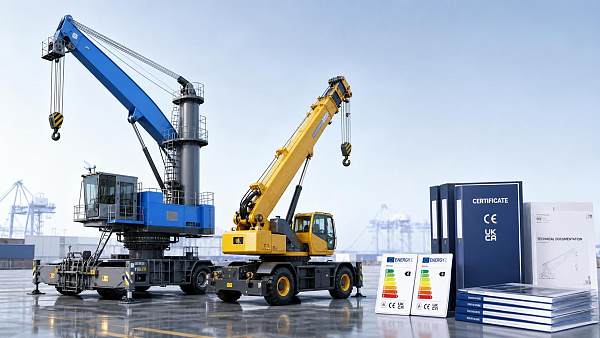
On July 1, 2026, a revised import compliance requirement from Vietnam’s Ministry of Industry and Trade (MOIT) is set to affect crane-related trade and project delivery. According to the provided event summary, imported cranes, including portal cranes, grab cranes, and tower cranes, must from that date submit not only the existing CCC certification but also a type test report issued by a CNCA-recognized laboratory in China, together with a complete Vietnamese-language operation and maintenance manual containing electrical schematics and safety warning labels. Non-compliant shipments may be held at the ports of Hanoi and Ho Chi Minh City and required to undergo rectification.
Image placement plan: No image placeholders are required for this article.
What the updated rule confirms
Based on the provided information, MOIT updated Circular No. 12/2026/TT-BCT on June 2. The updated requirement takes effect on July 1, 2026. It applies to all imported cranes identified in the summary, including portal cranes, grab cranes, and tower cranes. In addition to the pre-existing CCC certification, importers must provide a type test report issued by a laboratory recognized by CNCA in China. They must also submit a full Vietnamese-language operation and maintenance manual. That manual must include electrical schematics and safety warning labels. If these requirements are not met, the goods may be detained at the ports of Hanoi or Ho Chi Minh City and sent for rectification.
How different market participants may be affected
Import and trading companies face higher document risk
From an industry perspective, trading companies are the first group directly exposed to the rule change because they typically assemble the import file and coordinate customs-facing documentation. The impact is likely to appear in document review, shipment release, and pre-arrival compliance checks. What deserves closer attention is whether the type test report and the Vietnamese-language manual are complete before cargo departure, since missing materials could lead to port detention and corrective action after arrival.
Equipment sourcing teams may need earlier specification checks
For procurement businesses buying cranes for projects or resale, the change affects supplier selection and purchase confirmation. The reason is straightforward: compliance is no longer limited to the existing certification path, and technical documentation now becomes a delivery-critical item. The practical impact may emerge in bid preparation, order terms, and document collection schedules. Buyers should pay closer attention to whether the selected crane model can be supported by a CNCA-recognized laboratory report and whether a full Vietnamese-language manual can be delivered in time.
Manufacturers and assemblers may see added preparation pressure
Manufacturing and processing enterprises involved in crane production, assembly, or export support may be affected because the new rule links market access more tightly to testing evidence and technical manuals. The impact is likely to reach engineering documentation, quality review, and export packing readiness. Analysis shows that producers may need stronger internal coordination between technical, certification, and after-sales teams to ensure that the test report, electrical schematics, safety labels, and maintenance instructions are aligned for the exact product being shipped.
Supply chain service providers may need to adjust clearance workflows
Logistics firms, customs brokers, and other supply chain service providers may also be affected because shipment release could depend more heavily on document completeness before port arrival. The influence may be seen in booking plans, customs submission timing, and exception handling. Observably, service providers should monitor whether clients have prepared the required report and Vietnamese-language files in advance, as the cost of delay may shift from transportation coordination to compliance correction.
Priority actions for companies
Review certification and testing files before shipment
Companies involved in exporting or importing cranes should verify at an early stage whether the existing CCC file is accompanied by a valid type test report from a CNCA-recognized laboratory in China. This is not a general paperwork issue but a shipment release issue under the provided summary. Document checks should therefore be moved forward rather than left to the port stage.
Prepare a complete Vietnamese-language manual package
The manual requirement is specific and should not be treated as a short-form translation task. The provided summary makes clear that the file must include operation and maintenance content, electrical schematics, and safety warning labels. Enterprises should check whether translation, formatting, and version control are consistent with the actual delivered crane configuration.
Align technical documents with bids, contracts, and specifications
Where cranes are supplied under project procurement or tender-based purchasing, companies should compare contractual technical specifications with the compliance documents required for import. This is especially important where the model, configuration, or safety system details in the test report and manual must match the supplied equipment. Early alignment may help reduce disputes during delivery and acceptance.
Reassess delivery timing and port-entry exposure
Because non-compliant goods may be detained at the ports of Hanoi or Ho Chi Minh City and required to undergo rectification, companies should revisit delivery schedules and import planning. Businesses may need to leave more time for document preparation, internal review, and supplier confirmation before shipment, especially for time-sensitive project cargo.
Industry observation: a shift from product entry to document readiness
Analysis shows that this change can be understood not only as an import rule update, but also as a stronger emphasis on documentation completeness as part of market access. It is more appropriate to understand this as a compliance tightening around traceable testing evidence and localized technical support materials. From an industry perspective, such requirements may raise the threshold for suppliers that rely on incomplete export files, while favoring those able to coordinate certification, technical drafting, and multilingual after-sales documentation more effectively.
What deserves closer attention is the operational effect on lead times. Even without any new tariff or quota element in the provided information, the need for a CNCA-recognized laboratory report and a full Vietnamese-language manual may extend preparation cycles. Observably, companies with weak document control systems could face greater execution risk than those with stable compliance processes.
What this means for the crane trade
The reported rule update points to a more documentation-driven import environment for cranes entering Vietnam. The confirmed facts indicate that testing proof and localized technical manuals are becoming part of the practical release conditions for covered equipment categories. A rational reading is that companies should focus less on last-minute customs correction and more on front-loaded compliance preparation. The full commercial impact will depend on how consistently the requirement is applied in practice, but the need for earlier document readiness is already clear from the provided information.
Source note and follow-up points
This article was generated based on the user-provided news title, event date, and event summary. Typical source types relevant to this kind of development may include ministry circulars, customs notices, certification guidance, port enforcement updates, and procurement document revisions. Specific official source links were not provided in the input and should be verified continuously.
Items that still warrant ongoing attention include implementation details under Circular No. 12/2026/TT-BCT, the practical interpretation of acceptable type test documentation, consistency in manual content review, changes in tender and procurement documents, and market feedback from importers, manufacturers, and logistics service providers.