News CENTER
新闻中心

Image placement plan: this article uses 0 image placeholders. On September 15, 2026, the Taishan International Smart Lifting Equipment Exhibition is scheduled to open, and the latest buyer update released by the organizer on June 3 shows confirmed purchasing groups from Germany, Vietnam, and the United Arab Emirates. For the lifting equipment, port machinery, and heavy-duty engineering supply chain, this matters because organized overseas buyer attendance often raises practical attention on compliance review, technical specifications, certification readiness, delivery coordination, and export risk control.
Confirmed event details and buyer delegation lineup
According to the information provided, the organizer of the 2026 Taishan International Smart Lifting Equipment Exhibition released a new buyer update on June 3. The German Mechanical Engineering Industry Association, VDMA, has organized an official purchasing delegation made up of 12 domestic infrastructure contractors and port operators. Vietnam’s import-export promotion center under the Ministry of Industry and Trade will attend with 8 state-owned terminal companies. In the United Arab Emirates, AD Ports Group is leading participation by two major port groups from Dubai and Abu Dhabi.
The exhibition will take place from September 15 to 18 in Tai’an. Its stated focus areas are AI lifting systems, hydrogen-powered port cranes, and modular wind power lifting machines.
How the development may affect market participants
Export-oriented trading companies may face closer buyer-side screening
From an industry perspective, trading companies engaged in overseas equipment sales may be affected first because organized buyer groups usually work with clearer procurement processes and more formal documentation requirements. The impact is likely to appear in quotation preparation, product document alignment, after-sales commitments, and communication around applicable standards or certification expectations. What deserves attention is whether customer discussions move quickly from product interest to qualification review and technical file completeness.
Raw material sourcing businesses may need to support traceability expectations
Analysis suggests that suppliers of steel, power components, hydraulic parts, energy-related assemblies, and other upstream inputs may feel indirect pressure when downstream equipment buyers place greater emphasis on reliability and compliance. The effect may emerge in material traceability, batch consistency support, and the availability of supporting quality records for export projects. These companies may need to pay closer attention to whether manufacturers begin asking for more complete origin, performance, or inspection documentation.
Fabricators and equipment manufacturers may need stronger specification matching
Manufacturing companies are likely to be influenced most directly because the exhibition focus includes AI lifting systems, hydrogen-powered port cranes, and modular wind power lifting machines. These product categories often involve more complex technical coordination, operating-condition review, and supporting verification documents. Observably, the relevant business links may include tender specification alignment, product configuration confirmation, factory testing arrangements, and lifecycle service planning. Companies should pay attention to whether buyers emphasize qualification thresholds, documentation discipline, and readiness for technical clarification.
Supply chain service providers may see higher coordination demands
Logistics coordinators, inspection support providers, documentation agents, and after-sales service partners may also be affected. The reason is that multi-country buyer participation can increase the need for synchronized timelines, shipment planning, technical file transfer, and service response arrangements. The practical influence may appear in export document handling, delivery scheduling, installation support planning, and quality traceability workflows. It is more appropriate to understand this as a coordination challenge rather than a confirmed rise in transaction volume.
What companies should prepare before buyer meetings
Review certification and compliance materials in advance
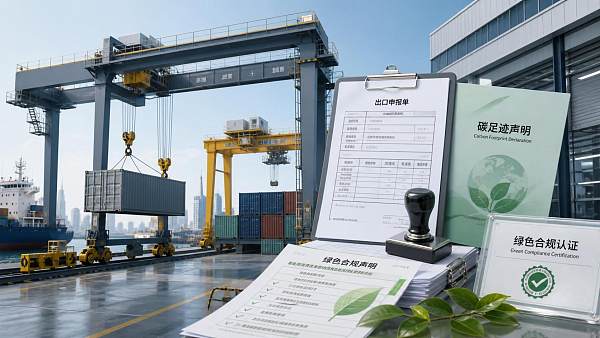
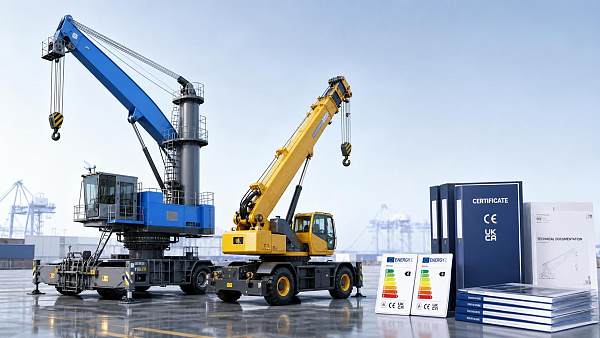
Because the confirmed buyer groups include infrastructure contractors, port operators, and port groups, companies planning to exhibit or negotiate should prioritize the completeness of certification files, inspection records, technical manuals, and conformity statements relevant to their products. From a practical standpoint, even where no new regulation has been stated in the input, buyer-side compliance review can still shape procurement access.
Align technical specifications for AI, hydrogen, and modular equipment
Products tied to AI lifting systems, hydrogen-powered port cranes, and modular wind power lifting machines may require more careful technical bid alignment. Enterprises should focus on whether product descriptions, operating parameters, component interfaces, maintenance logic, and safety-related documents are presented in a way that supports specification comparison. This is especially important when dealing with organized procurement teams rather than individual visitors.
Check delivery planning and supplier qualification readiness
Where cross-border procurement interest is involved, delivery lead time and supplier qualification management can become early discussion points. Manufacturers and traders should review whether their current supplier system can support stable parts supply, replacement planning, and project-based delivery commitments. They should also be ready to explain quality control responsibilities across the supply chain.
Strengthen service documentation and quality traceability
For port and infrastructure application scenarios, post-sale support may matter nearly as much as the initial equipment offer. Companies should therefore prepare service response descriptions, spare-parts support logic, maintenance documentation, and traceability records that can be presented clearly during business discussions. Analysis shows that these materials can influence buyer confidence even before formal tender stages begin.
Industry observation: organized overseas attendance may raise the compliance bar
From an industry observation standpoint, the confirmed participation of buyer groups from Germany, Vietnam, and the United Arab Emirates may signal a more structured procurement atmosphere around the exhibition rather than simple visitor growth. Analysis shows that when purchasers are organized by industry bodies, government-linked promotion entities, or large port groups, supplier conversations often become more rule-based and document-driven.
What deserves closer attention is not only the possibility of business matching, but also the implied shift toward stronger expectations in certification readiness, technical communication discipline, and export delivery assurance. Observably, this does not prove any new regulation by itself; however, it can increase the practical importance of existing compliance capabilities. It is more appropriate to understand this event as a signal that market access discussions in smart lifting and port machinery may increasingly depend on verified documentation, specification transparency, and service credibility.
Why this matters for the lifting equipment sector
The confirmed arrival of organized buyers from three overseas markets gives the upcoming exhibition added relevance for companies involved in lifting equipment, port handling systems, and related manufacturing chains. The event does not by itself establish new laws or standards, but it may sharpen how procurement rules, qualification review, and technical compliance are applied in actual business discussions. A rational conclusion is that companies with stronger documentation, clearer specification alignment, and more dependable delivery and service preparation are likely to be better positioned in follow-up negotiations.
Source note and follow-up items
This article was generated on the basis of the user-provided news title, event date, and event summary. Typical source types relevant to developments of this kind may include exhibition organizers, industry associations, trade promotion bodies, port operators, procurement notices, technical tender documents, and certification or inspection institutions. Specific official source links were not provided in the input and should be verified continuously.
Items that still require ongoing observation include any later procurement rules released around the exhibition, changes in qualification or certification review practice, shifts in technical tender wording, and feedback from manufacturers, traders, and supply chain service providers after business meetings begin.