News CENTER
新闻中心

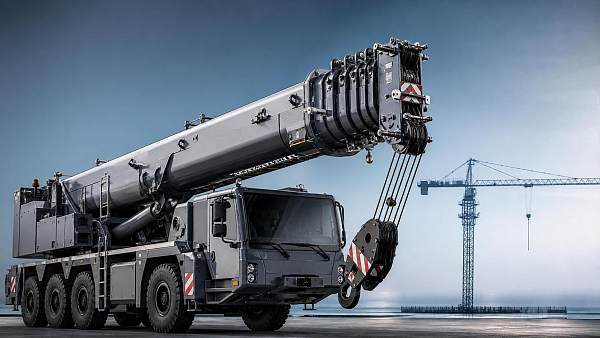
China’s zero-tariff policy for all 53 African countries with which it maintains diplomatic relations entered into force on May 1, 2026. Within the first week (May 1–7), import declarations for cranes (HS 8426) surged by 142% across African markets, according to the latest monitoring data from the China Chamber of Commerce for Machinery and Electronics Import and Export.
First-Week Trade Data Confirms Immediate Market Response
The zero-tariff measure took effect on May 1, 2026. During the initial seven-day period, crane-related import declarations in Africa rose 142% year-on-year. Demand was concentrated in Kenya, Nigeria, and Angola—driven by ongoing industrial capacity expansion projects requiring tower cranes and gantry cranes. Average procurement orders ranged from 8 to 12 units per inquiry, with frequent requests for on-site installation training and localized after-sales maintenance support.
Impact Across Supply Chain Roles
Export-oriented trading enterprises
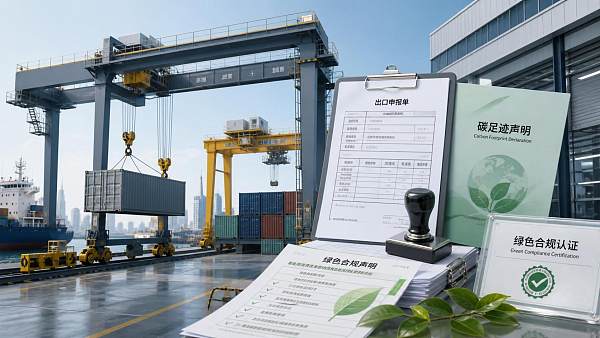
Tariff removal directly lowers landed cost and improves price competitiveness—especially for mid-to-high-end crane models. However, rising inquiry volume intensifies pressure on order processing, documentation compliance (e.g., HS 8426 classification verification), and customs coordination with African counterparties.
Raw material and component suppliers
Increased export volumes may trigger earlier demand signals for structural steel, hydraulic systems, and control modules. Suppliers should monitor lead time adjustments and potential shifts in specification requirements tied to local infrastructure standards (e.g., wind load or seismic design criteria).
Machinery manufacturers
Manufacturers face growing requests for technical customization—including voltage compatibility, dust resistance, and modular assembly features—alongside mandatory service commitments. Production planning must now integrate post-sale capability deployment, not just unit output.
Supply chain service providers
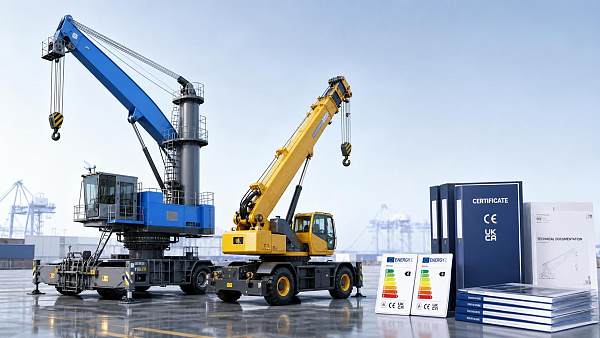
Freight forwarders, certification agents, and logistics integrators report higher demand for pre-shipment inspections, ISO/CE documentation alignment, and in-country warehousing solutions—particularly in Nairobi and Lagos—to support rapid delivery and field service readiness.
Key Operational Priorities for Exporters
Validate compliance with African national standards and tender prerequisites
While tariffs are eliminated, regulatory entry requirements remain unchanged. Exporters must verify conformity with local safety codes (e.g., Kenya Bureau of Standards KS 2221, SONCAP for Nigeria) and ensure technical bid documents explicitly address installation scope, operator training curricula, and spare parts availability timelines.
Align production and logistics schedules with project-driven procurement cycles
Orders linked to infrastructure projects often follow milestone-based delivery windows—not calendar-driven timelines. Manufacturers should coordinate closely with buyers to map critical path dependencies, especially where civil works progress dictates crane mobilization dates.
Prepare localized after-sales infrastructure ahead of shipment
Requests for on-site commissioning and long-term maintenance indicate growing buyer emphasis on total cost of ownership. Exporters should formalize partnerships with certified local service agents—and document those arrangements in tender submissions—as a de facto qualification requirement.
Analysis: Beyond Tariff Removal—A Shift in Procurement Expectations
Analysis shows this policy is accelerating a broader transition in African heavy equipment procurement: from transactional price sensitivity toward integrated lifecycle value. Observably, buyers are no longer evaluating cranes solely on unit cost or technical specs—they are assessing vendor capability to deliver coordinated engineering, training, and service continuity. It is more appropriate to understand this as a structural shift in competitive positioning, where compliance readiness and local support maturity now serve as key differentiators alongside product performance.
Strategic Implications for Global Equipment Exporters
This policy does not eliminate trade barriers—it reshapes them. The reduction of tariff friction reveals deeper operational thresholds: certification agility, service localization speed, and responsiveness to project-specific technical integration. Success will depend less on export volume scaling and more on the ability to embed within African infrastructure development workflows—from tender response through commissioning and beyond.
Source Attribution and Monitoring Guidance
This article synthesizes the event title, effective date (May 1, 2026), and factual summary provided in the input. Specific official source links were not provided in the input and should be verified continuously. Stakeholders are advised to monitor updates from the Ministry of Commerce of China, African national customs authorities, and regional standardization bodies—including evolving interpretations of HS 8426 classification, tender documentation revisions, and field-level implementation feedback from early adopter projects in Kenya and Nigeria.