News CENTER
新闻中心

Vietnam’s Ministry of Industry and Trade has introduced new import requirements for used cranes effective May 30, 2026 — significantly raising compliance expectations for exporters, especially those supplying second-hand lifting equipment to the Vietnamese market.
New Regulatory Requirement Takes Effect Immediately
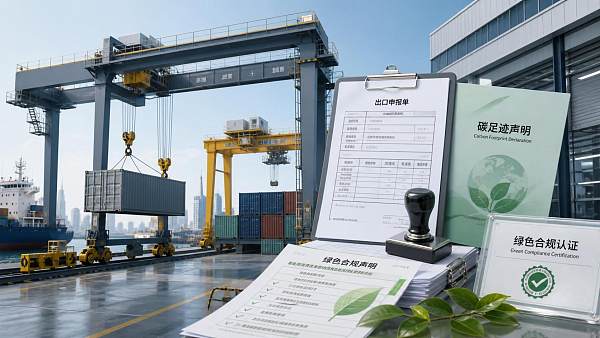
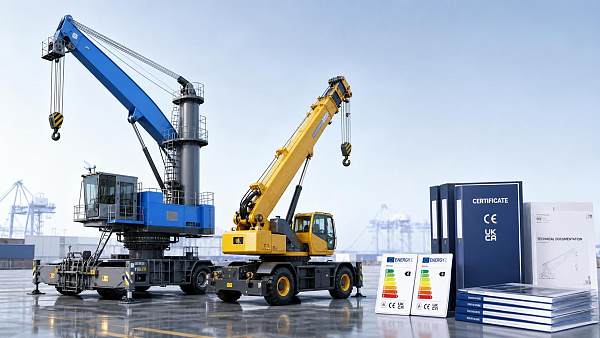
On May 29, 2026, the Ministry of Industry and Trade of Vietnam issued Circular No. 18/2026/TT-BCT, mandating that all imported cranes with an operational age exceeding five years must be accompanied by a carbon footprint declaration certified by VNCERT and an energy efficiency ratio test report. This requirement applies uniformly to overhead, gantry, and tower cranes. Shipments failing to meet these conditions will be rejected at Vietnamese ports.
Impact Across Supply Chain Roles
Direct Trading Enterprises
Exporters — particularly small- and medium-sized enterprises engaged in second-hand machinery trade — now face stricter pre-shipment documentation obligations. The need to secure VNCERT-certified carbon declarations introduces new lead time, cost, and coordination demands before customs clearance.
Manufacturing Enterprises
Original equipment manufacturers (OEMs) and refurbishers supplying used cranes must now support downstream exporters with verified technical documentation, including service history and energy performance data, to facilitate carbon footprint assessment.
Supply Chain Service Providers
Certification agencies, testing laboratories, and logistics intermediaries involved in Vietnam-bound crane shipments must adapt their service offerings to include VNCERT-aligned carbon accounting and energy verification — requiring updated internal protocols and staff training.
Key Compliance Priorities for Exporters
Verify Equipment Age and Prepare Lifecycle Documentation
Confirm precise manufacturing and commissioning dates for each unit; maintain records of maintenance, upgrades, and operational history to substantiate age claims and support carbon calculation.
Engage VNCERT-Accredited Assessment Bodies Early
Initiate carbon footprint evaluation well in advance of shipment — certification timelines are not standardized and may vary based on data completeness and equipment complexity.
Validate Energy Efficiency Ratio Against Vietnamese Test Protocols
Ensure test reports follow nationally recognized methods and reference standards acceptable to Vietnamese customs authorities; third-party lab accreditation status must be confirmed.
Review Contracts and Incoterms for Compliance Liability Allocation
Clarify responsibilities for carbon reporting, testing, and certification costs in sales agreements — especially under FOB or CIF terms where documentation ownership shifts at port of loading.
Industry Observation: A Signal of Broader Green Trade Alignment
Analysis shows this measure reflects Vietnam’s accelerating integration of environmental criteria into technical trade barriers — not as an isolated compliance hurdle, but as part of a wider shift toward lifecycle-based sustainability assessments in industrial imports. Observably, the linkage between carbon disclosure and equipment age suggests growing emphasis on circular economy principles within ASEAN regulatory frameworks. What deserves closer attention is how rapidly similar requirements may extend to other categories of used capital goods — especially those with high embodied energy or long service lifespans.
Strategic Implication for Global Machinery Trade
This regulation underscores a structural evolution in emerging-market import governance: environmental transparency is no longer optional for mature industrial assets. For exporters, it signals the need to institutionalize carbon-awareness across product stewardship, documentation systems, and partner qualification — moving beyond one-off certifications toward embedded sustainability readiness.
Source Information and Verification Guidance
This article is generated exclusively from the provided title, event date (2026-05-30), and summary text. Specific official source links were not provided in the input and should be verified continuously. Stakeholders are advised to monitor updates from the Ministry of Industry and Trade of Vietnam, VNCERT’s published accreditation scope, and forthcoming technical guidance on carbon footprint methodology for lifting equipment — all of which remain subject to refinement in the coming months.